


8 Guiding Regen Principles
Regenerative agriculture is not a one-size-fits-all approach. The strategy will vary from farm to farm depending on soil type, rainfall, climate, ecosystem, and the farmer's goals That is part of what makes regen so exciting, but it can also make it tricky to explain There are a 8 guiding principles for regenerative farming that can help farmers shape their approach.
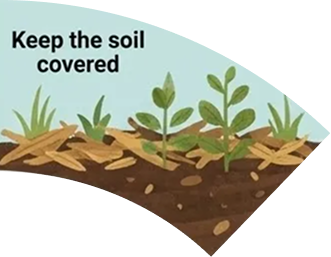

A healthy farm keeps nutrients cycling through plants, animals, microbes and soil. When manure, urine, plant residues and root exudates return to the soil, microbes transform them into plant-available nutrients and build soil organic matter, making the farm more resilient, productive and environmentally sound.
Soil organic matter improves water retention, nutrient availability, soil structure, carbon storage and overall soil health. The more organic matter the soil contains, the better it can hold onto nutrients, supporting healthy plants, healthy animals, and ultimately, healthy people.
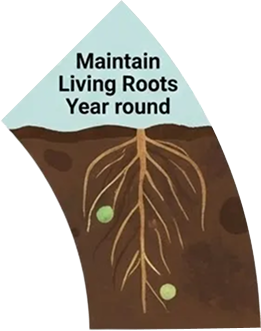
Healthy soil is alive, which means it needs feeding! The roots of plants release exudates that microbes consume, and those microbes often exchange nutrients back to the roots. This is a symbiotic relationship where both organisms benefit.
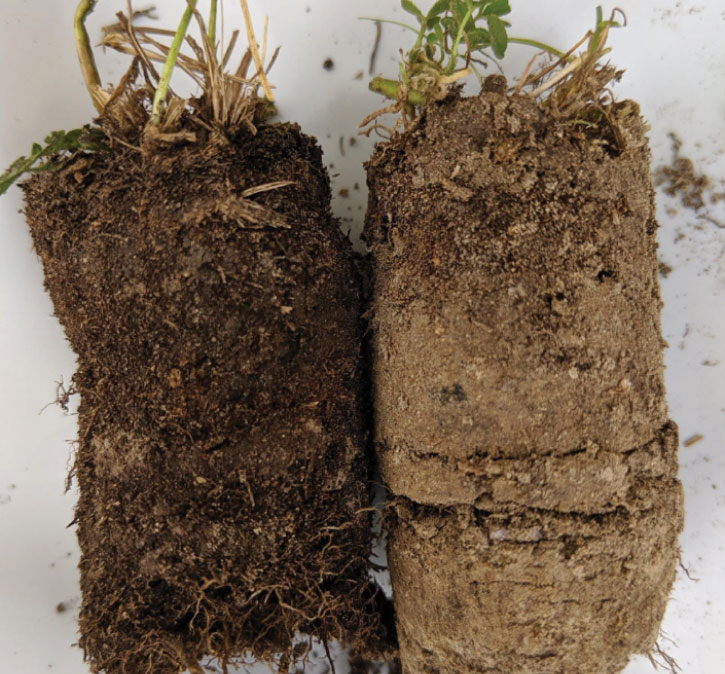
Roots don't just feed microbes, they help improve soil structure, prevent erosion, increase water holding capacity, reduce compaction and store carbon from the atmosphere.
When we keep living roots in the ground for as much of the year as possible (think perennial species, not annuals), we support the continuous biological activity that builds healthier, more resilient soils. Their presence also helps reduce nutrient loss, improves water infiltration and of course strengthens plant growth.
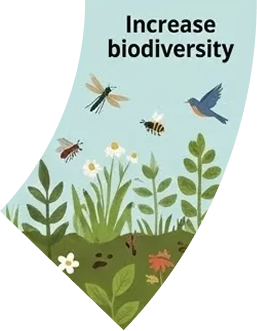

Conventional large scale monocultures are fragile by nature. In contrast, nature thrives on diversity. A wide mix of plant species supports microbes, insects, birds and soil organisms, each playing a vital role in keeping ecosystems balanced and functional. In regenerative farming systems, this biodiversity shows up through diverse pastures, mixed species cover crops, native shelter belts, riparian plantings and healthy populations of birds and insects. Every added layer of diversity strengthens the resilience of the whole system by creating more root types, nutrient pathways, habitats and natural protection against weather, pests and disease.
Our study with Lincoln University shows that this diversity also benefits you. When cows eat a varied diet, their milk (and your yoghurt) contains higher levels of nutrients and beneficial phytochemicals like antioxidants. Prioritising diversity on farm supports a thriving ecosystem and contributes to better human health too.
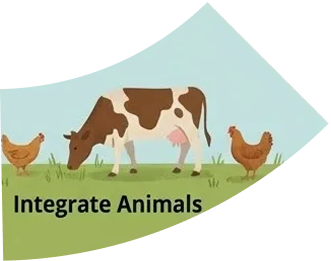

Grazing ruminants can play a vital role in sustainable, regenerative farming when they are carefully managed. Their manure returns nutrients to the soil, their hooves help incorporate organic matter, and their grazing stimulates plants to regrow stronger with deeper roots. By moving cows frequently and allowing pastures time to rest and recover, farmers can recycle nutrients efficiently, build soil organic matter, improve water retention, support pasture diversity, reduce reliance on synthetic fertilisers and strengthen the entire farm ecosystem.
Animal based foods have been central to human evolution for hundreds of thousands of years, providing highly bioavailable nutrients that are difficult to obtain elsewhere. These nutrients support hormone health, brain development and immune function. Integrating animals in a regenerative way allows us to nourish the land while producing nutrient dense foods that nourish people too.
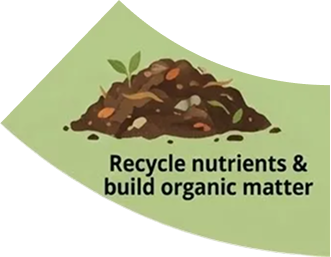
A healthy farm keeps most nutrients cycling within the system, moving through plants, animals, microbes and soil in a continuous loop. When manure, urine, plant residues and root exudates are returned to the soil, they act as natural fertilisers. Soil microbes break these materials down into plant available nutrients while also forming the building blocks of soil organic matter, making the farm more resilient, productive and environmentally sound.
Building soil organic matter is foundational to regeneration. It improves water holding capacity, nutrient availability, soil structure, carbon storage and resilience to both drought and heavy rain, while supporting overall biological soil health. As organic matter increases, soil is better able to retain nutrients instead of losing them through leaching or runoff. Healthy soils grow healthy plants, support healthy animals, and ultimately nourish healthy people.
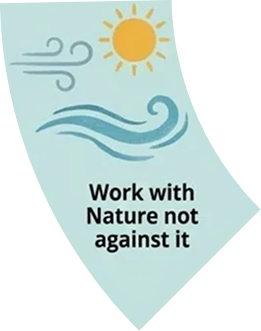

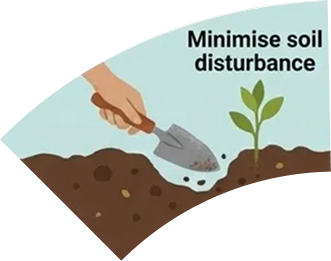
Regenerative agriculture works with nature rather than trying to control it. By minimising soil disturbance, keeping living roots in the ground, supporting biodiversity and recycling nutrients, we activate natural systems that build healthy soil, store carbon and create resilient ecosystems.
When farming aligns with these processes, land becomes more self sustaining, resilient to drought and storms, and less dependent on synthetic inputs. Healthier soil leads to healthier plants and, ultimately, more nourishing food.
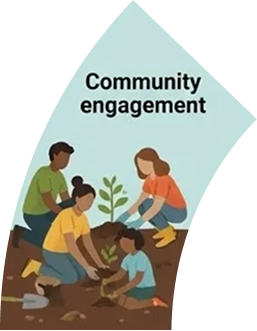

Regeneration isn’t just about soil and ecosystems—it’s also about the people who care for the land and the communities that rely on it. Healthy ecosystems and healthy communities go hand in hand. Engaging with our community means sharing knowledge, listening, being transparent about what’s working and what isn’t, and learning together.
Farming doesn’t happen in isolation. The choices made on the land affect water, climate, food, local economies and future wellbeing. When farmers, researchers, consumers and neighbours collaborate, we build stronger, fairer and more resilient systems. Regeneration grows faster when we connect people to their food, farmers to shared knowledge, and everyone to the land that sustains us.

Regenerative agriculture is not a one-size-fits-all approach. The strategy will vary from farm to farm depending on soil type, rainfall, climate, ecosystem, and the farmer's goals That is part of what makes regen so exciting, but it can also make it tricky to explain There are a 8 guiding principles for regenerative farming that can help farmers shape their approach.